



Seeing your animal in pain, injured, or experiencing a sudden health problem can be deeply distressing.
In these moments, it is normal to feel worried and uncertain about what to do.
If you believe your animal is experiencing a medical emergency, the priority is always to seek care promptly from an emergency veterinary centre.
If you are uncertain, it is always best to contact an emergency veterinary team. They can assess the situation and advise you on the appropriate steps to take.
- 📍 Your Family Veterinary Clinic
- 📍 St-Hyacinthe University Veterinary Hospital CHUV (450) 778-8111 chuv.umontreal.ca
- 📍 Centre DMV et GrandMtl: 800-463-8555 centredmvet.com/urgences
- 📍 Centre vétérinaire Laval: 450-781-1200 vetetnous.com
- 📍 Centre DMV et Québec: 800-463-8555 centredmvet.com/urgences
- 📍 Centre vétérinaire DAUBIGNY: 450-781-1200 daubigny.ca/
Centre Animascience does not provide emergency services and cannot manage life-threatening situations.

Seek Immediate Veterinary Care
Contact an emergency veterinary centre immediately if your animal:
- is having difficulty breathing;
- is unconscious, collapses, or is unresponsive;
- is bleeding heavily;
- has been involved in an accident or experienced significant trauma;
- is having seizures;
- has ingested a toxic substance or medication;
- is repeatedly attempting to vomit without producing anything (specially in dogs)
- is unable to urinate;
- is experiencing severe or sudden pain;
- appears seriously ill or their condition is deteriorating rapidly.
If you are uncertain, it is always best to contact an emergency veterinary centre as mentioned above.☝🏻

While Awaiting Veterinary Care
While waiting for your animal to be evaluated by a veterinarian, a few simple measures may help reduce their stress and improve their comfort.
Relieving Pain and Discomfort
If the situation requires it, consult a veterinarian promptly. Depending on your animal’s condition, the veterinarian may prescribe appropriate medication to relieve pain, reduce inflammation, or improve comfort.
Depending on your animal’s needs, the veterinarian may recommend:
- steroidal or non-steroidal anti-inflammatory medication;
- antibiotics;pain medication;
- sedatives;
- muscle relaxants;
- anti-anxiety medication;
- supplements or others.
Never give your animal medication intended for humans without first consulting your veterinarian, as many human medications can be toxic to animals.

Your Presence Is Already a Form of Care
Animals are highly sensitive to our emotional state. Studies suggest that the presence of a calm person can help reduce an animal’s stress.
Take a few moments to slow your breathing and regain your composure. Your calm presence can become a reassuring point of reference for your companion.
If your animal is receptive to contact, gently place your hand on them or stroke them softly. Caring touch often encourages relaxation, reduces stress, and may help lessen the perception of pain. As anxiety decreases, muscular tension may ease, breathing may become calmer, and the animal may experience greater comfort.
Speak in a soft, reassuring voice. Let your animal know that you are present, that you recognize their discomfort, and that you are staying by their side. Your calm and affection can help them feel safer.
Complementary Products
When appropriate, certain natural products may be used alongside veterinary care.
Examples include:
● casein-derived supplements, known for their calming properties;
● tryptophan, which may contribute to greater emotional balance;
● articular or joint supplement to assist in arthrosis;
● and many other products according to your animal’s individual needs.
These complementary approaches never replace a veterinary evaluation when an emergency is suspected. However, they may contribute to the animal’s well-being as part of a comprehensive care plan.

Our Role in Your Animal’s Care Journey
Emergency veterinary centres are responsible for stabilizing animals and treating critical conditions requiring immediate intervention.
Our role is different, yet complementary.
Once your animal has been stabilized and their condition allows it, our care may help support recovery, improve comfort, encourage greater mobility, and accompany their gradual return to optimal balance.
Every animal recovers at their own pace. We adapt our care according to their condition, respecting their individual needs and supporting a gentle, harmonious recovery.
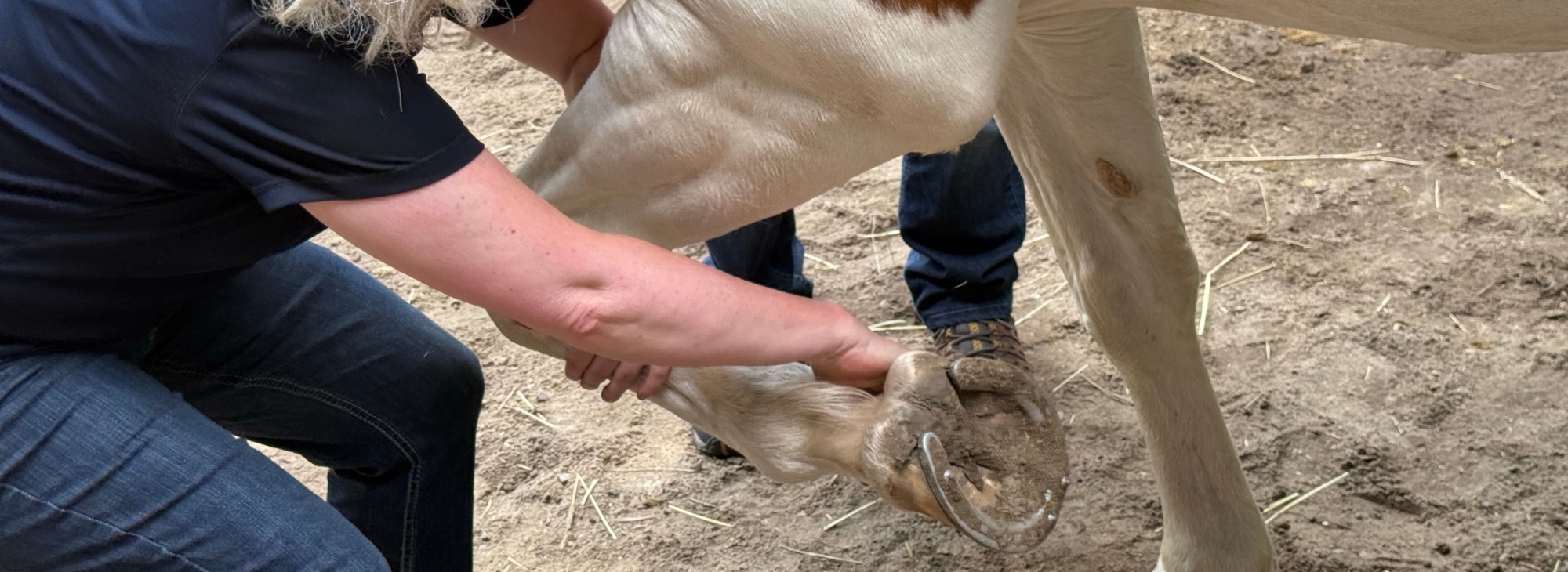
After the Emergency
If your companion has undergone surgery, experienced trauma or a significant injury, or required hospitalization, we will be pleased to discuss how our approach may complement the veterinary care they have already received.
Our goal is to accompany your animal toward greater comfort, an improved quality of life, and a gradual return to their usual activities, while working in collaboration with their primary veterinarian.